Melasma Explained: How Heat, Hormones, and Skincare Mistakes Make It Worse
Glow Talk: Skin Science by Good Glow Skin Therapy
Melasma is one of the most complex and misunderstood skin conditions I see in the treatment room, often driven by a lack of awareness around its underlying triggers. It often appears as patches of brown or grayish pigmentation on the cheeks, forehead, upper lip, or jawline, and for many, it can feel frustrating when it doesn’t respond to typical skincare routines.
One of the biggest misconceptions about melasma is that it’s caused by the sun alone. While UV exposure plays a role, melasma is influenced by a combination of heat, hormones, and inflammation within the skin.
Understanding these triggers is the first step in treating melasma safely and effectively.
It’s Not Just the Sun
Sun exposure is a well-known trigger for melasma, but it is only part of the picture.
Melasma is deeply connected to how the skin responds to internal and external stressors, including:
• UV exposure
• visible light
• heat
• hormonal fluctuations
• inflammation
Even when you are consistent with sunscreen, melasma can persist if other triggers are not addressed.
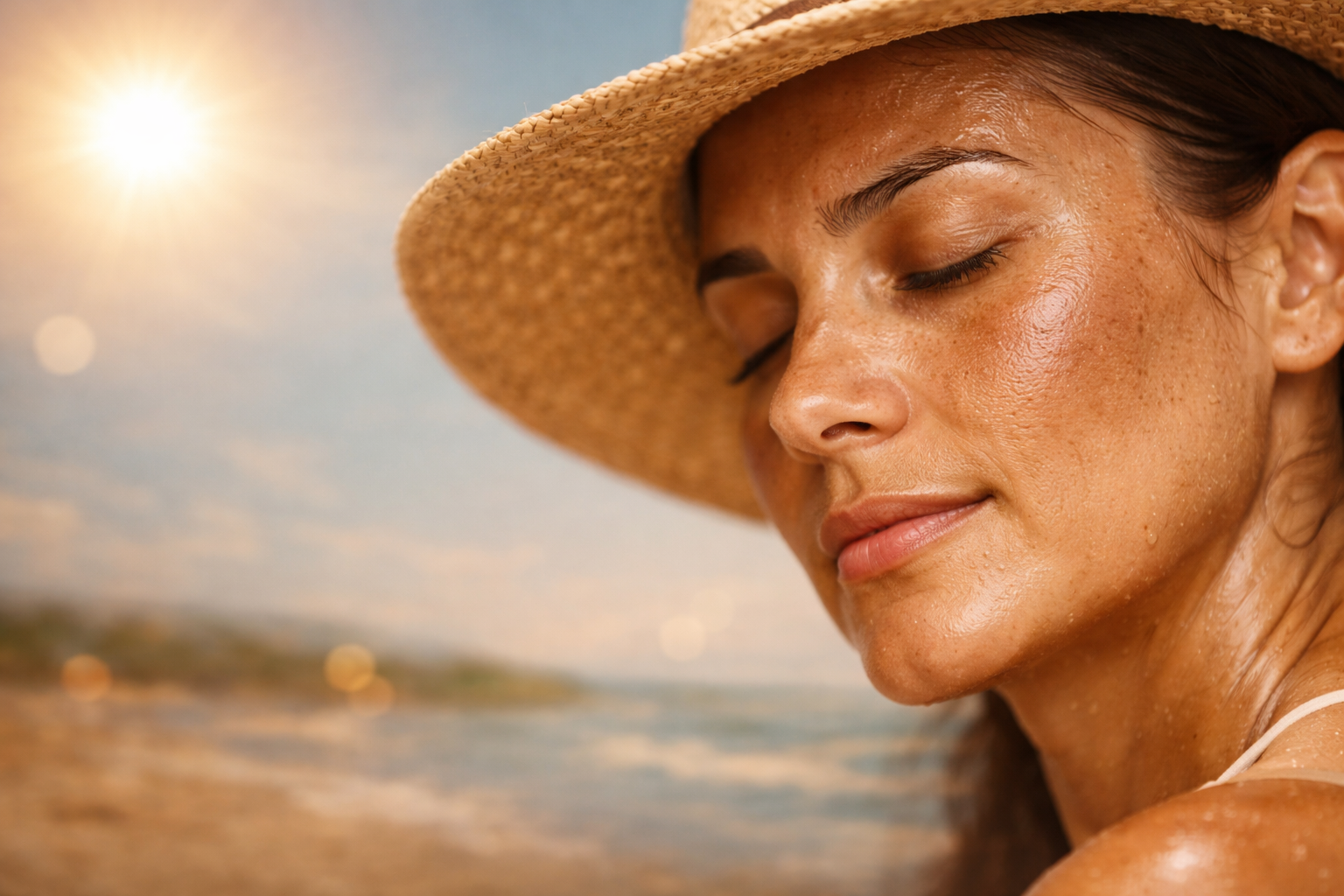
Heat: The Overlooked Trigger
Heat is one of the most underestimated factors in melasma.
Activities such as:
• hot weather
• saunas and steam
• hot yoga or workouts
• prolonged time in warm environments
can stimulate melanocytes, the cells responsible for pigment production, leading to increased pigmentation even without direct sun exposure.
This is why melasma can worsen during warmer months or in environments where the skin is frequently heated.
Hormones and Internal Factors
Hormones also play a significant role in melasma.
It is commonly seen in:
• pregnancy
• those taking hormonal birth control
• periods of hormonal imbalance
Hormones can increase the skin’s sensitivity to light and heat, making melanocytes more reactive and prone to producing excess pigment.
Because of this, melasma often requires a consistent and long-term approach rather than a quick fix.
Skincare Mistakes That Can Make Melasma Worse
In an effort to treat pigmentation, it is common to reach for stronger or more aggressive treatments, but this can sometimes have the opposite effect.
Over time, excessive exfoliation and barrier disruption can increase inflammation in the skin, which can trigger more pigment production.
Common mistakes include:
• overusing exfoliating acids
• layering too many active ingredients
• aggressive peel treatments, especially during sunnier months
• neglecting barrier repair
When the skin barrier is compromised, the skin becomes more reactive, and melasma can deepen or spread.
A Gentle, Strategic Approach
Treating melasma effectively requires a balance between correction and protection.
A more supportive approach includes:
• gentle brightening ingredients such as tranexamic acid
• mild, controlled exfoliation
• consistent daily SPF
• antioxidant support
• barrier-repairing ingredients
Rather than pushing the skin harder, the goal is to reduce inflammation and regulate pigment production over time.
Seasonal Awareness Matters
As we move into spring and summer, it becomes especially important to adjust treatments.
This may include:
• reducing the intensity of chemical peels
• avoiding overly aggressive exfoliation
• focusing on maintaining a strong, healthy barrier
At Good Glow Skin Therapy, I adjust peel treatments by reducing frequency and intensity to support the skin and prevent excess sensitivity.
During sunnier months, peel treatments are often spaced out and customized to support the skin while minimizing the risk of inflammation and pigmentation.
This seasonal shift helps protect the skin while still making progress in treating melasma.
The Good Glow Philosophy
At Good Glow Skin Therapy, skincare is scientifically rooted and thoughtfully personalized.
Melasma is not a condition that responds well to harsh or aggressive treatments. It requires patience, consistency, and a deep understanding of how the skin responds to its environment.
When treated with care, it is possible to support the skin in becoming more balanced, resilient, and even-toned over time.
If you are navigating melasma and unsure where to start, a personalized approach can make all the difference.
Learn more and book your treatment at:
goodglowskintherapy.com
Stay glowing,
Diana Grace
Founder, Good Glow Skin Therapy