The Truth About Hyperpigmentation: Why It Takes Time — and What Actually Works
An Elevated Skin Health Perspective from Good Glow Skin Therapy
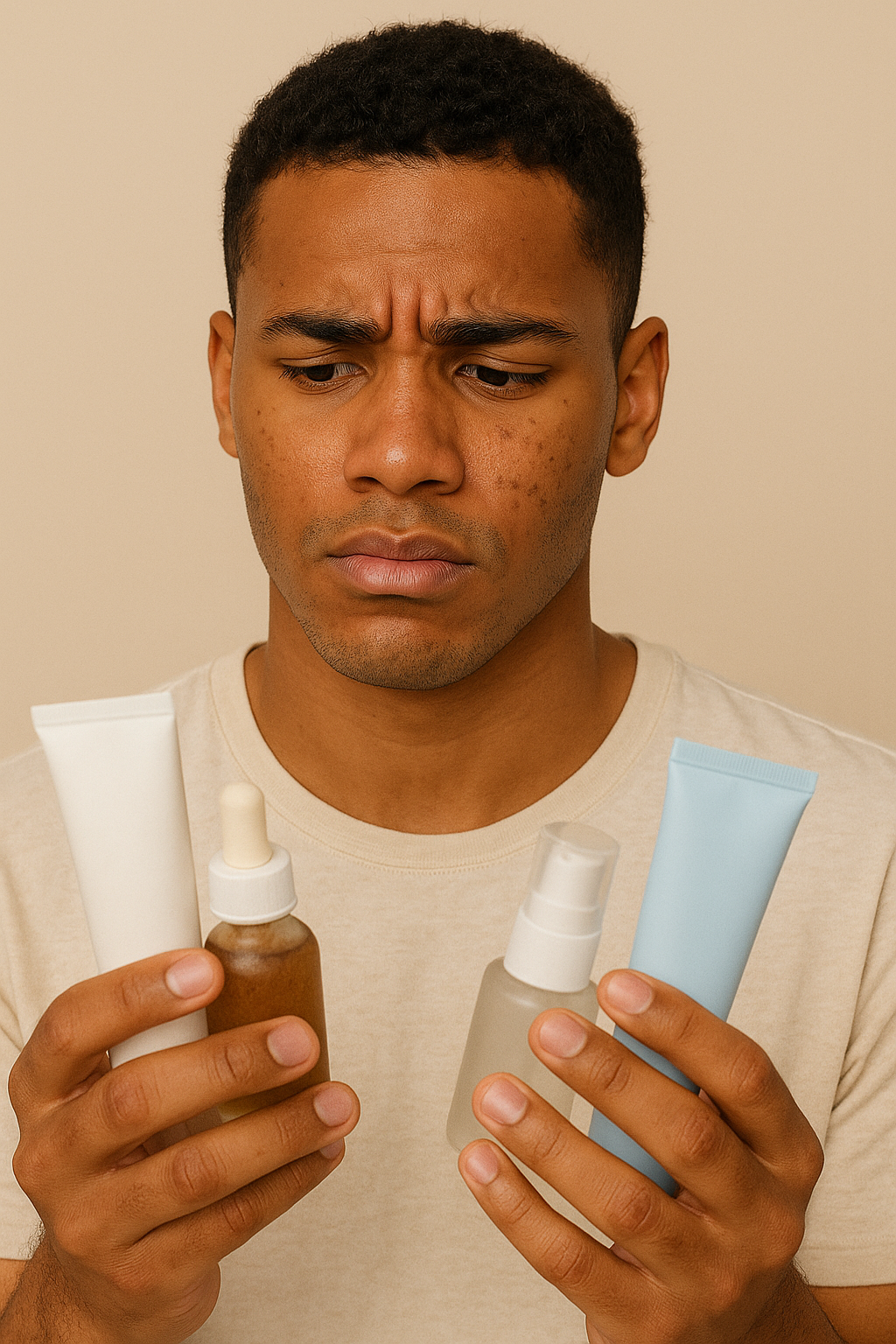
Hyperpigmentation is one of the most common and frustrating skin concerns I see in the treatment room. Sun damage, inflammation, acne, melasma, and heat can all leave behind stubborn dark marks that seem to linger far longer than they should. And for melanin-rich skin especially, pigment can show up more easily and take more time to fade.
The truth is simple: hyperpigmentation can be treated, improved, and beautifully managed — but it takes time, consistency, and the right approach. There are no quick fixes, and there is no single product that makes pigment disappear overnight. But with the correct plan, the results can be transformative.
This Glow Talk explains why hyperpigmentation is so persistent, what actually works, and how to approach treatment safely, especially for deeper skin tones.
Why Hyperpigmentation Takes Time
Hyperpigmentation happens when the melanocyte, the pigment-producing cell, becomes overactive in response to a trigger. That trigger may be acne inflammation, UV exposure, hormones, heat, or irritation from harsh skincare products.
Once the melanocyte is activated, it creates pigment deep within the skin — and your natural cell turnover has to slowly bring that pigment to the surface before it can fade. This cycle takes time, especially if inflammation keeps re-triggering the pigment.
Melanin-rich skin is even more efficient at producing pigment, which is why deeper skin tones can hyperpigment more easily and respond more strongly to irritation or inflammation.
Understanding this biology helps set realistic expectations: fading pigment is absolutely possible, but it requires patience and a consistent plan.
Why One Product Isn’t Enough
Hyperpigmentation cannot be corrected with one serum, one peel, or one ingredient. It requires a combination of:
• calming inflammation
• protecting the skin
• lifting existing pigment gradually
• preventing new pigment from forming
• maintaining a strong barrier
This is where many routines fail — people use strong actives hoping for fast results, but end up irritating the skin and triggering even more pigment. Treating hyperpigmentation is as much about what you avoid as what you apply.
Hydroquinone: Effective, But Should Be Used Carefully
Hydroquinone is one of the most effective pigment inhibitors available, and it has a long history of use. But it is also strong, and it must be approached responsibly, especially for melanin-rich skin.
My stance is this: I don’t recommend hydroquinone as a first step, but it can be extremely effective when used intentionally and for the right cases.
If choosing to use hydroquinone, these principles matter:
• use it in cycles, typically 8–12 weeks at a time
• avoid long-term or continuous use
• pair with supportive hydration
• discontinue if irritation or rebound pigmentation occurs
• avoid layering with other harsh actives
• always use daily sunscreen to prevent further darkening
Hydroquinone works, but it requires respect. It should never be the only strategy — and it works best within a full, balanced routine.
Why I Recommend Monthly Chemical Peels
Chemical peels are one of the most effective and controlled ways to address hyperpigmentation safely over time. A peel series can:
• increase cell turnover
• lift pigment gradually
• brighten dull, uneven skin
• refine texture
• reduce post-inflammatory hyperpigmentation
• support long-term clarity
Monthly peels allow the skin to improve in steady, incremental steps — not aggressively, but consistently. For most clients, a series of treatments delivers far better results than a single peel done once in a while.
Professional guidance also ensures the peel is appropriate for your skin tone, your sensitivity level, and the type of pigment you are treating.
Why Barrier Health Is Essential
You cannot treat pigment on a damaged barrier.
A compromised skin barrier leads to:
• increased inflammation
• reduced moisture retention
• slower healing
• deeper, darker, longer-lasting pigmentation
Before treating pigment, the skin must be hydrated, protected, and supported. Barrier repair is not optional — it is foundational.
When the barrier is strong, the skin responds better to active ingredients and fades pigmentation more evenly and predictably.
A Gentle, Intelligent Approach for Melanin-Rich Skin
Melanin-rich skin is beautiful, resilient, and deeply intelligent — and it requires a thoughtful approach. Over-exfoliating, combining too many actives, or choosing the wrong treatment can worsen hyperpigmentation instead of improving it.
A safe, effective pigment plan includes:
• gentle exfoliation
• pigment inhibitors
• antioxidants
• hydration
• barrier support
• UV protection
• professional peels
• lifestyle adjustments (heat and sun reduction)
This balanced approach respects the natural behavior of your melanocytes while encouraging a healthier, more even glow.
The Real Secret: Consistency Over Intensity
Hyperpigmentation responds to:
• consistency
• patience
• routine
• professional support
And it worsens with:
• irritation
• skipping sunscreen
• mixing too many actives
• inconsistent routines
• heat and inflammation
Lasting results come from choosing gentle, strategic steps over time — and staying committed to the process.
The Bottom Line
Hyperpigmentation is stubborn, but it is absolutely treatable with the right plan. Whether you’re dealing with post-acne marks, hormonal melasma, sun spots, or inflammation-triggered pigment, improvement is possible.
At Good Glow Skin Therapy, I focus on a thoughtful, science-backed approach that honors both your skin’s integrity and your long-term results. With consistent care, a supportive routine, and a customized treatment plan, your glow is never out of reach.
Stay glowing,
Diana Grace
Founder, Good Glow Skin Therapy