Niacinamide: Why This Quiet Ingredient Does So Much for Your Skin
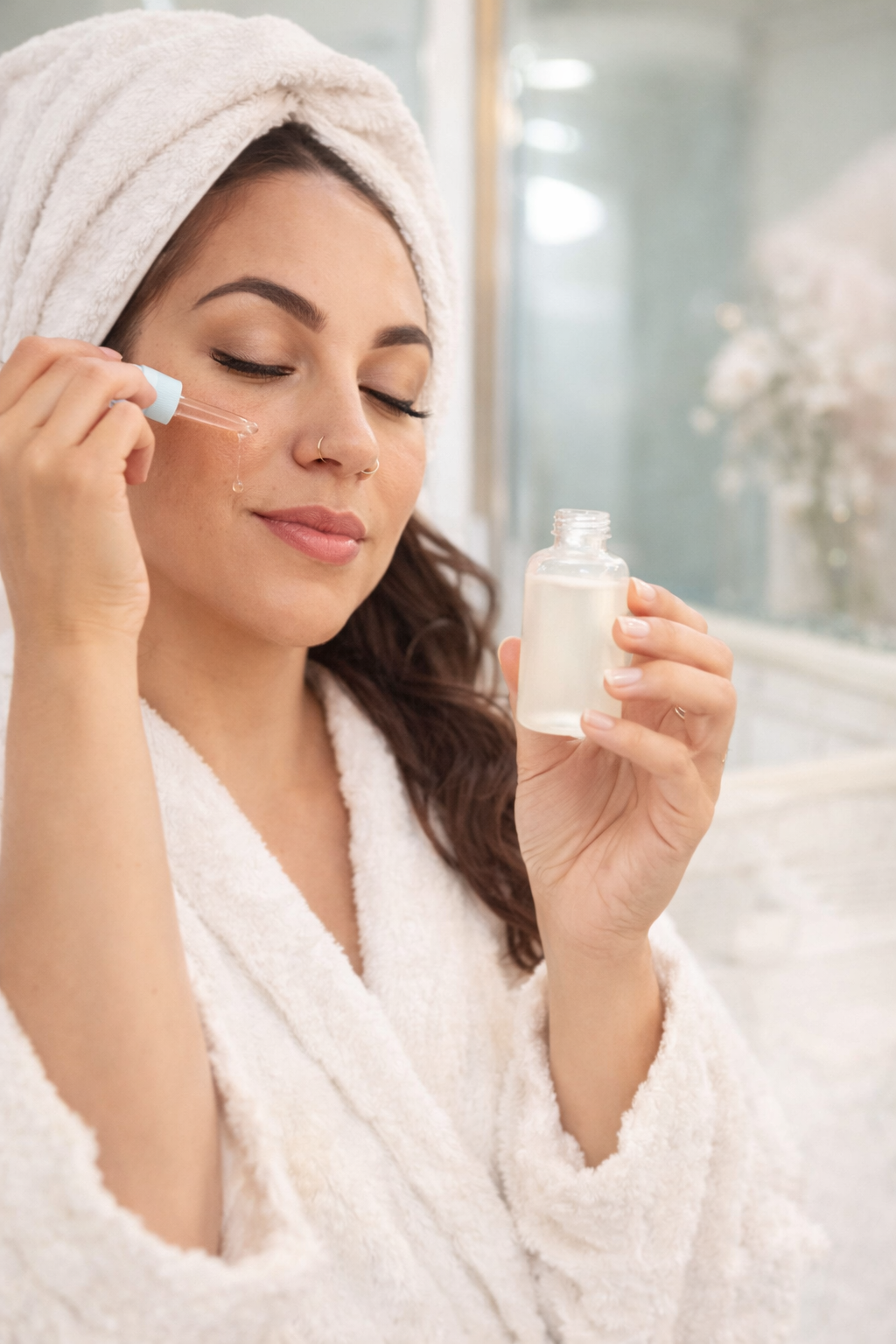
Niacinamide may not be the trendiest ingredient on social media, but in the treatment room, it’s one of the most trusted and well-loved ingredients for long-term skin health. It’s gentle, effective, and incredibly versatile — which is why you’ll often see it recommended for sensitive skin, acne, hyperpigmentation, and even compromised or oncology-treated skin.
At Good Glow Skin Therapy, niacinamide is considered a support ingredient — one that helps your skin function better overall, instead of forcing it to change aggressively.
Let’s break it down the Good Glow way.
What Is Niacinamide?
Niacinamide is a form of vitamin B3, an essential nutrient your body already uses to support healthy cells. In skincare, it works by helping skin cells do their job more efficiently — repairing, protecting, and calming the skin.
Think of niacinamide as an ingredient that teaches your skin how to behave better, rather than pushing it too hard.
What Does Niacinamide Actually Do?
Niacinamide is backed by years of research and is loved by dermatologists because it supports the skin in multiple ways at once.
It helps to:
• strengthen the skin barrier
• reduce water loss and dehydration
• calm redness and inflammation
• help regulate oil production
• improve uneven tone
• support post-acne marks and hyperpigmentation
• make skin more resilient over time
This is why it’s often recommended for clients who feel like their skin is “all over the place.”
Is Niacinamide Good for Sensitive Skin?
Yes — and this is one of its biggest strengths.
Niacinamide is non-exfoliating, which means it doesn’t thin or irritate the skin when used correctly. Instead, it helps rebuild the barrier, making skin less reactive over time.
That said, higher percentages aren’t always better. Some people experience flushing or tingling with very high-strength formulas. This doesn’t mean niacinamide is bad — it usually means the percentage is too strong for that skin.
Gentle and consistent always wins.
Is Niacinamide Oncology-Friendly?
Niacinamide is often considered oncology-safe because it:
• does not exfoliate
• does not increase sun sensitivity
• helps repair and protect the skin barrier
• calms inflammation
• supports hydration
For skin that has been through medical treatments or is more fragile, niacinamide can be one of the safest and most supportive ingredients when formulated gently.
Niacinamide and Melanin-Rich Skin
Niacinamide is very friendly for melanin-rich skin.
Instead of breaking pigment apart aggressively, it works by:
• calming inflammation (a major pigment trigger)
• helping pigment distribute more evenly
• supporting healthier skin healing
This makes it a great option for post-inflammatory hyperpigmentation and uneven tone.
Is it too weak?
No — it’s just not harsh.
Niacinamide works best with time, consistency, and the right routine, especially when paired with sunscreen and professional treatments.
What Percentage Is Best?
This is where a lot of confusion happens.
• 2–5%
Great for sensitive skin, rosacea-prone skin, oncology skin, and barrier repair
• 5–7%
Ideal for oil regulation, tone support, and most skin types
• 10% or higher
Not necessary for most people and more likely to cause irritation
More isn’t better — better tolerated is better.
Where Niacinamide Fits in Your Routine
Niacinamide can be used:
• morning or night
• under sunscreen
• alongside other actives
• after treatments to support healing
It’s a foundation ingredient that helps everything else work better.
The Good Glow Perspective
Niacinamide isn’t flashy — it’s foundational.
It doesn’t shock the skin into change.
It supports the skin so it can heal, balance, and glow on its own.
That’s why it’s such a staple in pro-aging, barrier-first skincare.
The Bottom Line
If your skin is sensitive, acne-prone, pigment-prone, melanin-rich, or simply changing with time, niacinamide is one of the smartest ingredients you can use.
Healthy skin isn’t about chasing quick fixes — it’s about supporting your skin consistently and intentionally.
Stay glowing,
Diana Grace
Founder, Good Glow Skin Therapy